Tucked into the eastern wall of the Kullu valley, the Great Himalayan National Park protects a large, largely trail-only block of terrain spanning several river catchments — the Tirthan, Sainj, Jiwa Nal and Sarvari among them — that together hold an unusually complete cross-section of western Himalayan ecosystems, from temperate broadleaf and conifer forest through subalpine scrub to high alpine meadow and permanent snow. UNESCO inscribed the park as a World Heritage Site in 2014, citing its exceptional biodiversity and the near-absence of permanent human settlement within its core zone.
That absence is not accidental; it is the result of a deliberate, and at the time contentious, resettlement and buffer-zone process carried out when the park was established in the 1980s and 1990s, in which villages and grazing rights within what became the core protected area were relocated or restricted, with compensation and, eventually, alternative livelihood support extended to affected communities in the surrounding buffer zone. The process was not without real hardship and disagreement, but it produced, over subsequent decades, one of the least human-disturbed high-altitude landscapes remaining in the western Himalaya.
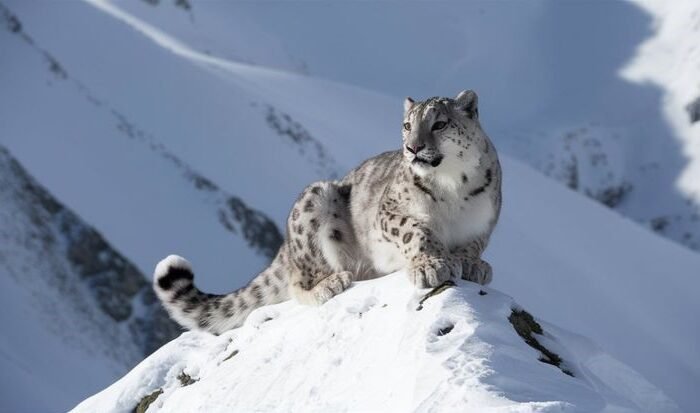
The park’s wildlife reflects that undisturbed status. It holds populations of snow leopard, Himalayan tahr, musk deer, and the Western Tragopan, a strikingly coloured and globally threatened pheasant species for which the park is considered one of the most important remaining strongholds anywhere. Brown and Himalayan black bear, blue sheep, and a long list of high-altitude bird species round out a faunal list that conservation scientists regard as unusually intact for terrain this close to a major tourist valley.
What distinguishes the Great Himalayan National Park’s ten years as a UNESCO site is less the park’s ecology, striking as it is, than the model built around it: rather than treating the surrounding buffer-zone villages purely as a threat to be managed, park authorities and conservation partners have worked to build ecotourism, sustainable harvesting of certain forest products, and guiding and portering employment directly into the local economy, giving villages in Sainj and Tirthan a tangible economic stake in the park’s continued protection rather than only a set of restrictions imposed on their traditional land use.
For visitors, the park remains accessible only on foot beyond its lower checkpoints, with multi-day treks into the interior requiring permits, local guides and a level of physical commitment considerably beyond most Himachal Pradesh tourist itineraries. That difficulty of access is, in a sense, the point: a decade after UNESCO recognition, the park’s core zone remains genuinely remote, its wildlife largely undisturbed by the kind of vehicle-based tourism that has reshaped parts of Manali barely a few valleys away.